Tyvek®: Because it makes the difference!
Although protective suit types may look the same at first glance, but only from a distance. The unique DuPont™ Tyvek material provides optimal protection when needed. That’s why Dupont has been a market leader in Europe for Type 4, 5 and 6 protective suits for 20 years.
Take any protective suit from the comprehensive Tyvek® product range in hand, for example the Tyvek® Classic Xpert and you will feel the difference. Tyvek® was developed by DuPont and is manufactured exclusively by DuPont. The unique and versatile material is extremely robust yet lightweight and soft. The material is permeable to air and water vapor, but at the same time resistant to water-based liquids and spray mist. It forms a highly effective barrier against fine particles and fibers. It is also low in fuzz and antistatic.
Tyvek® is a unique spunbonded fabric with an inherent protective barrier. It does not consist of individual films or layers that can wear off over time due to abrasion or wear — with Tyvek® protection is maintained throughout the wear period. Due to its optimal combination of protection, durability and comfort, Tyvek® protective clothing is suitable for a variety of different applications. Whether it’s painting, handling lead or asbest removal, its ergonomic design ensures a high level of protection and does not restrict wearers even in difficult working conditions. It is also free of fillers, additives and silicone. (Source: Dupont.de)
Tyvek® IsoClean® Garments Vs. Reusable Garments in Cleanrooms
Tyvek® (1:500)
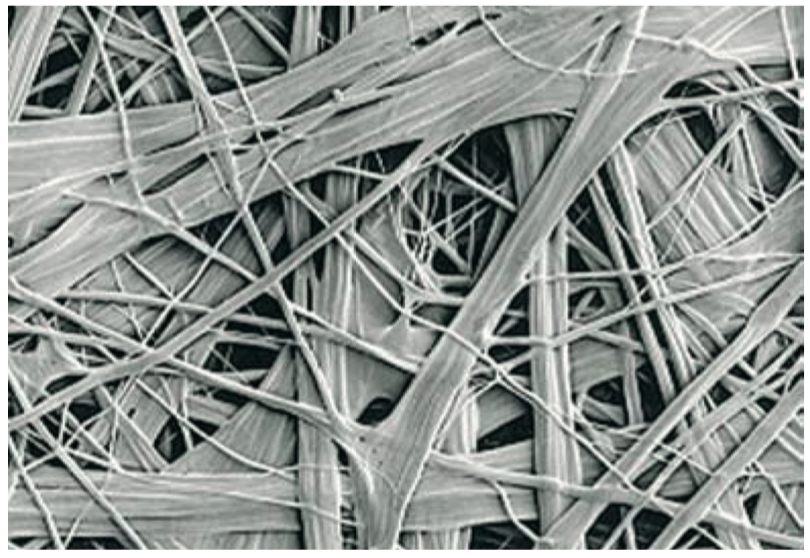
The fibers are thermally bonded to a strong, homogeneous and soft fabric that is breathable, does not give off any fibers (“lint-free”) and has inherent barrier properties, so it does not depend on coatings. This unique combination of barrier protection and inherent breathability makes Tyvek® an ideal fabric for a variety of protective applications. (Source: Dupont)
Microporous film (MPF) (1:500)
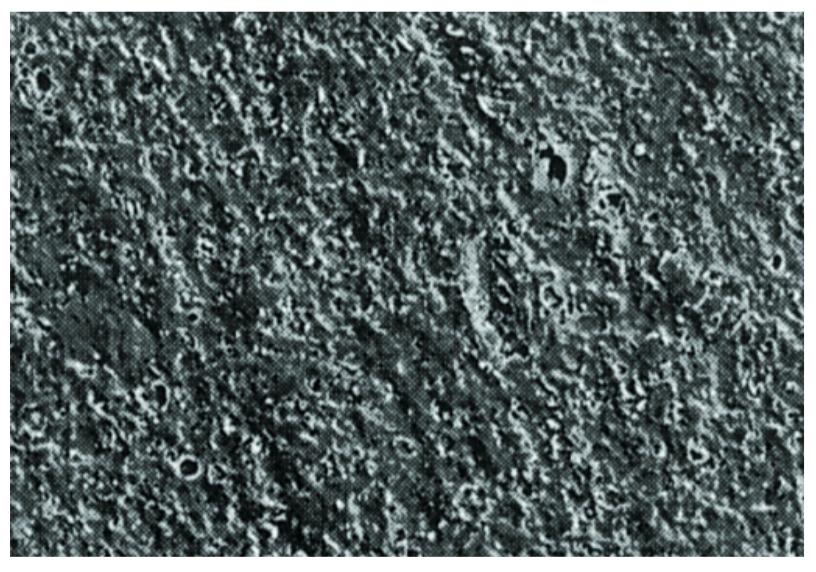
MPF fabric is a bi-laminate material consisting of a thin microporous film and a spun-bonded polypropylene base. These fabrics offer limited durability as all barrier protection is lost when the protective film layer is abraded. In addition, this fabric has low air permeability properties and is, therefore, less breathable than other fabric types, resulting in limited comfort and heat control. (Source: Dupont)
Spunbound / Meltblown / Spunbound (SMS) (1:500)
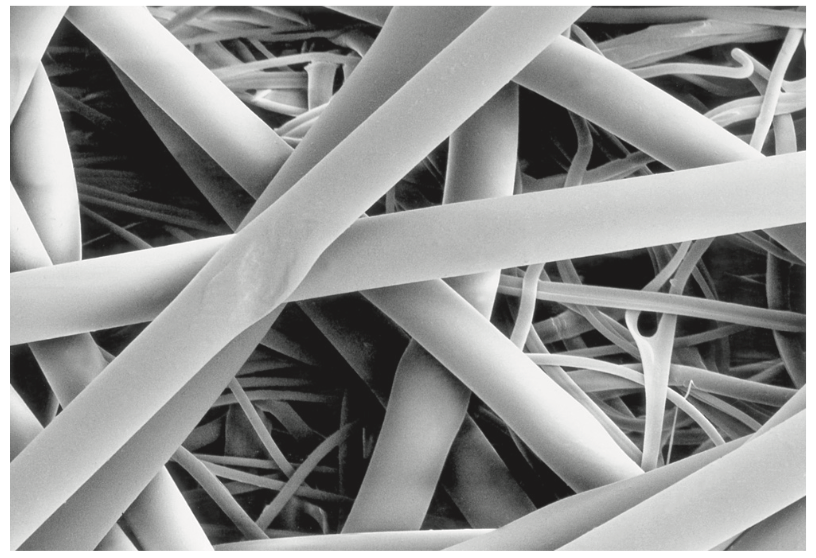
The performance of SMS fabric is based on a meltblown polypropylene layer between two open polypropylene layers. The inner polypropylene layer acts as the main filter for particles. The weakness of SMS fabrics is the limited durability and relatively poor barrier performance due to the open fiber structure. In addition, the high air permeability properties significantly affect the barrier properties of the fabric, making SMS suitable only for very basic protection and as a dirt barrier.
Clean Room: ISO Classifications
Background: There has been a growing trend in recent years to move from the previously used classification system to the ISO classification systems of ISO 14644-1. However, many companies have continued to use the old US Federal Standard 209-e Class 100, 10,000, 100,000 clean room classification system. In Europe, another system with classes A to D is used in the context of GMP (Good Manufacturing Practice). The EU GMP Directives are stricter than others and require classrooms that comply with the number of particles in operation (during the manufacturing process) and at rest (when the manufacturing process is not performed, but the room air conditioner is on). Many international companies chose to use this classification system. These systems are all accepted for use. (Source: Dupont.de)
The ISO 14644-1 classification focuses on air purity and defines 9 classes for cleanrooms and cleanroom areas:
| ISO Classification | 0.1 μm | 0.2 μm | 0.3 μm | 0.5 μm | 1.0 μm | 5.0 μm | former FED-STD-209E |
|---|---|---|---|---|---|---|---|
| ISO-Class 1 | 10 | 2 | |||||
| ISO-Class 2 | 100 | 24 | 10 | 4 | 8 | ||
| ISO-Class 3 | 1000 | 237 | 102 | 35 | 83 | 1 | |
| ISO-Class 4 | 10000 | 2370 | 1020 | 352 | 832 | 29 | 10 |
| ISO-Class 5 | 100000 | 23700 | 10200 | 3520 | 8320 | 293 | 100 |
| ISO-Class 6 | 1000000 | 237000 | 102000 | 35200 | 83200 | 2930 | 1000 |
| ISO-Class 7 | 352000 | 832000 | 29300 | 10000 | |||
| ISO-Class 8 | 3520000 | 8320000 | 293000 | 100000 | |||
| ISO-Class 9 | 35200000 | 83200000 | 2930000 |
GMP Classes A–D (European System)
The Class A-D system used in Europe under GMP is defined as follows:
| Class | Hibernation — 0.5µm | Hibernation — 5.0µm | During Activity — 0.5µm | During Activity — 5.0µm |
|---|---|---|---|---|
| A | 3’520 | 20 | 3’520 | 20 |
| B | 3’520 | 29 | 352’000 | 2’900 |
| C | 352’000 | 2’900 | 3’520’000 | 29’000 |
| D | 3’520’000 | 29’000 | not defined | not defined |
Frequently Asked Questions
What kind of clothing do I need for my cleanroom class?
| Clothing | ISO 8 / GMP D | ISO 7 / GMP C | ISO 6 | ISO 5 / GMP A/B |
|---|---|---|---|---|
| Overall | x | x | x | |
| Full Covered Hood | x | x | x | |
| Boots | x | x | ||
| Mantel | x | |||
| Hood | x | |||
| T-Shirt | x | x | x | |
| Pants | x | x | x | x |
| Overshoes | x | x | ||
| Face mask | x | x | ||
| Gloves | x | x | x | x |
| Disposable Charlottes | x | x | x | x |
| Change Frequency | 1-2 times / week | 1-2 times / week | 1 / day | with every entrance |
Which size clothing do I need?
The quality of a protective suit can only be exploited with the right size — which is why the right choice of size is highly relevant. We recommend the following sizes:
| Height / Chest | 84-92 cm | 92-100 cm | 100-108 cm | 108-116 cm | 116-124 cm | 124-132 cm |
|---|---|---|---|---|---|---|
| 162-170 | S | M | L | XL | XXL | XXXL |
| 168-176 | M | M | L | XL | XXL | XXXL |
| 174-182 | L | L | L | XL | XXL | XXXL |
| 190-188 | XL | XL | XL | XL | XXL | XXXL |
| 186-194 | XXL | XXL | XXL | XXL | XXL | XXXL |
| 192-200 | XXXL | XXXL | XXXL | XXXL | XXXL | XXXL |